Microsoft warns users about AI-Driven scams that target Quick Assist
Microsoft has warned its users to beware of potential dangers of using the Quick Assist app, a tool designed for remote access. The company reports that cybercriminals are exploiting artificial intelligence techniques to scam users.
While Microsoft clarified that Quick Assist itself has not been compromised, the use of this software by malicious actors poses a significant risk, compelling the company to act decisively in safeguarding its user base.
Generative AI has brought useful features that aid people across various sectors, but it has also presented new security challenges. With the advent of sophisticated AI tools, hackers can now create increasingly convincing scams. Microsoft highlights that attackers often masquerade as legitimate technical support representatives, employing social engineering tactics to establish trust with their targets. Once they gain confidence, these threat actors may use Quick Assist to infiltrate the victims' devices.
These scams can include “scareware,” which tricks users into thinking their devices are compromised, prompting them to take immediate action. The Federal Bureau of Investigation (FBI) has also stressed that unsolicited tech support calls are frequently linked to scams, warning users to remain vigilant.
Windows Central reports that the targets are not limited to Windows users, the scammers also attack Mac users who use Quick Assist. If their attempt is successful, the hackers gain unauthorized access to users' devices, which enables them to steal sensitive personal information and credentials.
Both Microsoft and Google have reassured customers that they will never initiate unsolicited contact regarding technical support issues. Consequently, users are advised to avoid installing any applications that permit remote access unless the source is fully trusted. Instead, it is recommended to reach out for support through well-known channels or use established internal remote access services within organizations.
RECOMMENDED NEWS
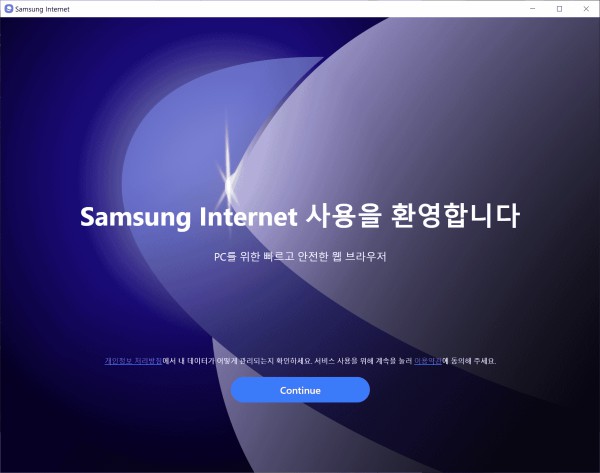
Samsung launches its Internet browser Samsung Internet for Windows
Samsung Internet, Samsung's flagship web browser for the Android operating system, is now available...
Microsoft confirms 0x80070643 error during Windows update installation
Some Windows users who tried to install the January 2024 security updates for their devices receive...

Microsoft's sneaky KB5001716 Windows 10 update pushes Windows 11
If you run Microsoft's Windows 10 operating system on your devices and wan to keep it that way, you...
Google Chrome 123 launches with security fixes and Google Update changes on Windows
Google released a new stable version of its Chrome web browser for desktop operating systems and An...

Here is why App Updates from Google Play may feel like they install faster now
Google has tweaked how application updates are downloaded from the official Google Play Store. Whil...

Microsoft warns: Office 2016 and 2019 reach end of support in October 2025
Microsoft Office 2016 and Office 2019 reach end of support on October 14, 2025. That is the last da...
Comments on "Microsoft warns users about AI-Driven scams that target Quick Assist" :