Cybersecurity Experts Warn of Privacy Risks in Modern Automobiles
A pair of hackers, Sam Curry and Shubham Shah, have exposed alarming security vulnerabilities within Subaru’s Starlink-connected infotainment system, enabling them to remotely take control of a Subaru Impreza. The duo gained unauthorized access to the vehicle through a compromised web portal linked to Subaru that allowed them to unlock the car, sound the horn, and start the ignition using any smartphone or computer.
Curry elaborated on their methods in a video and blog post, revealing that he simply reset the password of a Subaru employee’s account, thereby accessing a repository of location data that dated back over a year. The hackers noted that this data included precise records of the vehicle’s movements, down to specific parking spots. Subaru acknowledged the breach and stated that it has since patched the vulnerability, emphasizing its need to collect location data to assist in emergencies and vehicle recovery.
However, Curry and experts in the hacking community argue that automotive manufacturers have little justification for collecting extensive historical location data. They warn that the vulnerabilities they exploited are not exclusive to Subaru, claiming similar flaws exist in the systems of brands like Acura, Honda, Hyundai, Toyota, and more.
Meanwhile, cybersecurity concerns aren’t limited to Subaru. Security researchers from Kaspersky recently identified 13 critical vulnerabilities within Mercedes-Benz’s MBUX infotainment system, capable of allowing hackers to steal data and disable anti-theft protections if they can access the vehicle physically. Although Mercedes-Benz responded that it had patched these vulnerabilities since 2022, concerns remain about the security risks posed by modern connected vehicles.
The growing consensus among cybersecurity experts is clear: modern automobiles pose significant privacy and security threats. A recent Mozilla report emphasized that many cars are “a privacy nightmare,” collecting excessive data without informed consent from users and raising alarms about the potential for hackers to exploit these vehicles.
RECOMMENDED NEWS
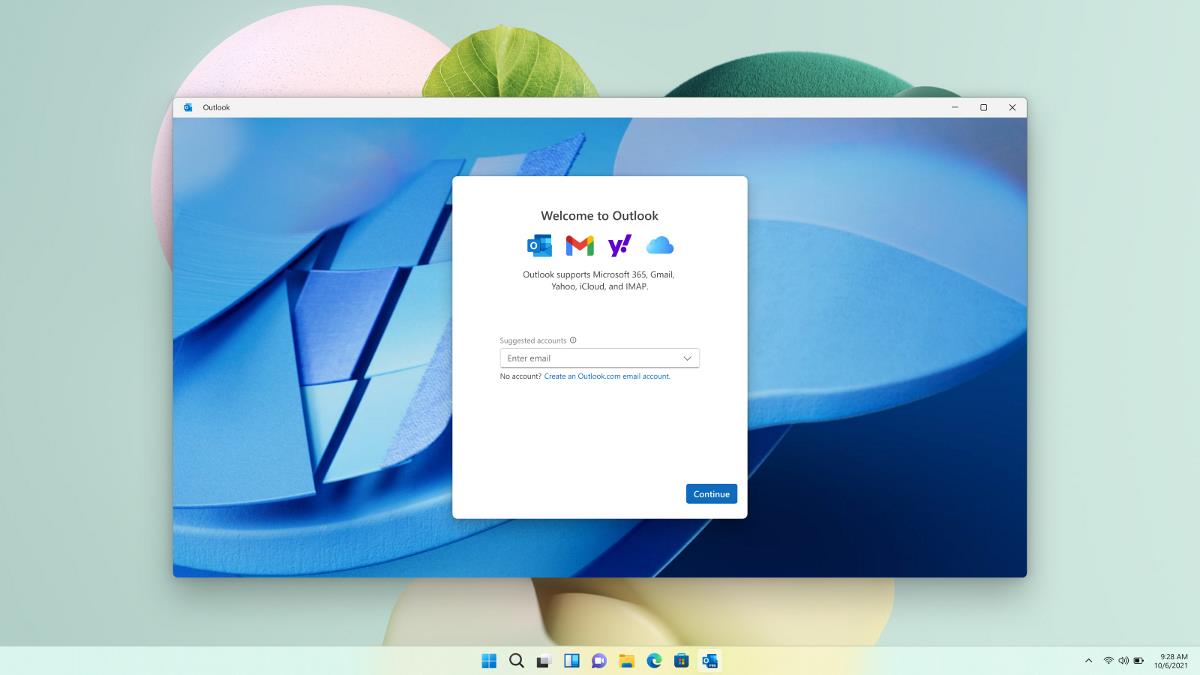
Proton Mail says that the new Outlook app for Windows is Microsoft's new data collection service
Proton has accused Microsoft's new Outlook for Windows app for becoming a data collection service. ...

Microsoft Graveyard: last honor for dead Microsoft products
You may have heard of Google Graveyard. A website dedicated to all the products and services that G...
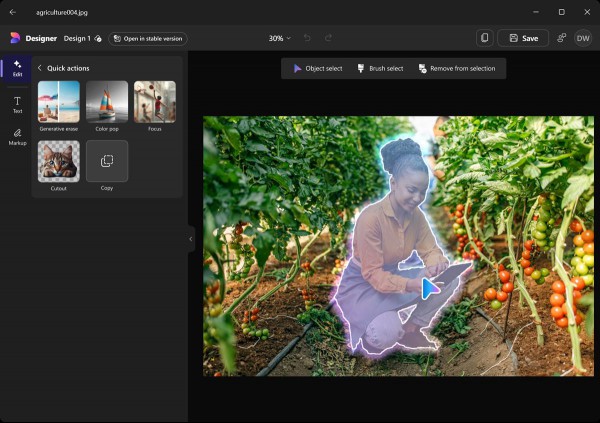
Microsoft is bringing Designer's AI editor to Windows 11's Photos app
Microsoft has announced that it is adding some new AI features to the Photos app on Windows 11. The...
Security researcher discovered attack to downgrade Windows permanently
One of the most important advices when it comes to the security of electronic devices is to make su...
Remedy Entertainment Announces Alan Wake 2 Sales Milestone and Control 2 Development Progress
Remedy Entertainment has announced that Alan Wake 2 has surpassed two million copies sold since its...
Sony increases PlayStation 5 price in Europe, Australia and New Zealand
Sony has announced a price increase for the PlayStation 5 console in some Countries for a second ti...
Comments on "Cybersecurity Experts Warn of Privacy Risks in Modern Automobiles" :