Microsoft Edge fixes 0-day vulnerability: confirms all Chromium-based browsers vulnerable
Microsoft released a security update for its Edge web browser that address several security issues, including one that is exploited in the wild.
Google released security updates for its Chrome web browser on March 26, 2024. The official release announcement on the Chrome Releases Blog did not reveal that Google was aware that one of the issues was exploited in the wild.
The critical security issue CVE-2024-2883 -- Use after free in ANGLE -- was fixed in Chrome Stable and Chrome Extended Stable on March 26, 2024.
Microsoft pulled an earlier release of Microsoft Edge 123. The company has now released 123.0.2420.65, which addresses eight unique security issues in the browser.
One of them is CVE-2024-2883, which affects all Chromium-based browsers. The official CVE page on Microsoft's website reveals that the issue is already attacked in the wild.
Microsoft writes: "Google is aware that an exploit for CVE-2024-2883 exists in the wild."
The Microsoft Edge release notes page confirms this as well: "This update to Stable channel contains a fix for CVE-2024-2883, which has been reported by the Chromium team as having an exploit in the wild."
This confirms that all Chromium-based browsers, including Google Chrome, are affected by the issue. ANGLE or the ANGLE Project, stands for Almost Native Graphics Layer Engine.
Google announced ANGLE in 2010 and described its goal in the following way: "The goal of ANGLE is to layer WebGL's subset of the OpenGL ES 2.0 API over DirectX 9.0c API calls. [..] it will enable browsers like Google Chrome to run WebGL content on Windows computers without having to rely on OpenGL drivers."
Update immediately
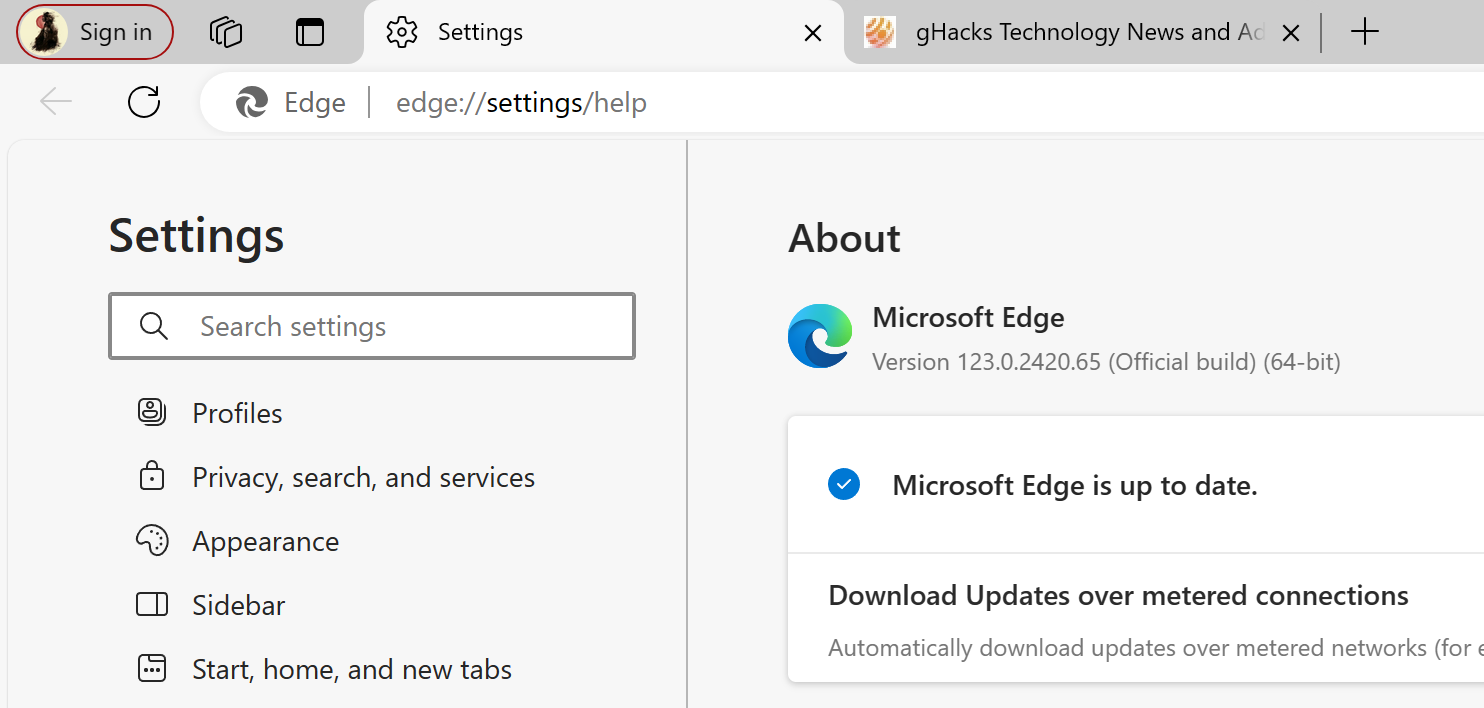
Chromium-based browser users may want to update the browser immediately, provided that an update is available.
Most may load chrome://settings/help in the browser's address bar to open the about page. The "chrome" protocol is usually redirected to the browser's specific protocol. This is edge:// for Microsoft Edge, or vivaldi:// for Vivaldi.
It lists the current version that is installed on the system. The browser checks for updates when the page is opened. Any update that is found is downloaded and installed at this point. Note that you need to restart the browser to complete the installation of the update.
Microsoft Edge should list version 123.0.2420.65 after installation of the update.
Load the page in any Chromium-based browser installed to make sure that it is up to date. Not all browser makers may push out updates immediately. If that is the case, check back at a later point in time.
Closing Words
Mozilla patched two 0-day vulnerabilities in its Firefox web browser as well this week. The patch was released days after the release of Firefox 124.0.
It is important to keep an eye on browser updates that companies release. This allows you to react quickly to major issues that could potentially put your data and systems at risk.
Now You: when do you update your browsers?
RECOMMENDED NEWS

YouTube Premium: another massive price increase in some regions angers users
While Google continues its fight against content blockers and third-party YouTube viewing solutions...

Windows 11 is promoting Xbox PC Game Pass with a pop-up ad
Microsoft is displaying yet another ad on Windows 11. This time, a pop-up banner promotes the compa...

Google Tests New AI Mode in Search for Enhanced User Experience
Google is experimenting with a new "AI Mode" in its Search platform, aiming to integrate conversati...
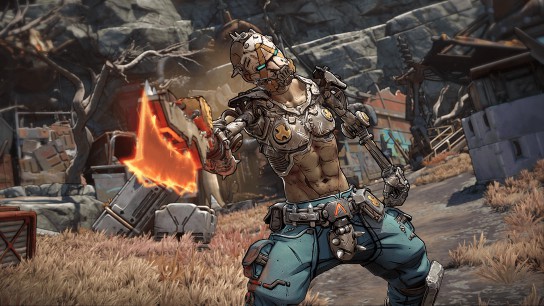
Borderlands 4 Set for September 23 Release with New Gameplay Features
2K and Gearbox Software have announced that Borderlands 4 will launch worldwide on September 23, 20...
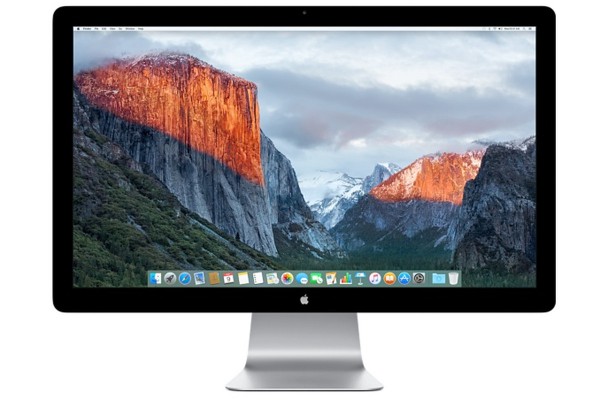
Apple’s Upcoming Display Might Use Mini-LED, But There’s a Catch
Apple is reportedly working on a new 27-inch Studio Display that could introduce mini-LED technolog...

AMD unveils Ryzen 8000HX Dragon Range Refresh CPUs for gaming laptops
AMD has unveiled its Ryzen 8000HX Dragon Range Refresh mobile CPUs. The new series is the successor...
Comments on "Microsoft Edge fixes 0-day vulnerability: confirms all Chromium-based browsers vulnerable" :