UK Users Lose Access to Apple's End-to-End iCloud Encryption Following Government Order
Apple has announced the discontinuation of its Advanced Data Protection (ADP) feature for iCloud users in the United Kingdom, effective February 21, 2025. This decision comes in response to a government order under the Investigatory Powers Act of 2016, which mandates that companies provide backdoor access to encrypted data for law enforcement purposes. Apple has consistently maintained its stance against creating such backdoors, emphasizing its commitment to user privacy and data security. In a statement, the company expressed disappointment, stating, "We have never built a backdoor or master key to any of our products or services and we never will."
Advanced Data Protection, introduced in December 2022, offers users the option to enable end-to-end encryption for a broader range of iCloud data, including backups, photos, and notes. With this feature, only devices trusted by the user could decrypt the data, rendering it inaccessible to Apple or any third party. The removal of ADP means that new users in the UK will no longer have the option to enable this enhanced encryption, and existing users will be required to disable the feature to continue using iCloud services.
Despite the withdrawal of ADP, certain data categories will continue to benefit from end-to-end encryption by default. These include health information, passwords stored in iCloud Keychain, and communications via iMessage and FaceTime. However, other data types such as iCloud backups, photos, and notes will revert to standard encryption, which allows Apple to access and, if required by law, provide this data to authorities.
The UK's demand for backdoor access has sparked a broader debate about the balance between national security and individual privacy rights. Critics argue that compromising encryption undermines overall data security, making systems more vulnerable to breaches and unauthorized access. Apple's decision to withdraw ADP rather than comply with the government's request reflects its ongoing commitment to user privacy, even as it navigates complex regulatory environments.
This development highlights the challenges technology companies face in protecting user data while adhering to varying legal requirements across different jurisdictions. As governments worldwide grapple with issues of security and privacy, the policies and practices surrounding data encryption remain a contentious and evolving landscape.
RECOMMENDED NEWS
Protect your Discord account with a Security Key
Users of the chat app Discord may now protect their accounts using security keys. The developers of...

Microsoft's new "use Bing" prompt in Edge is missing a vital option
Microsoft Edge shows a new prompt to some users that asks them to make Microsoft Bing the default s...

Chrome 121 ships with security updates and new AI tools
Google released new version of its Chrome web browser today. Google Chrome 121 Stable is now availa...
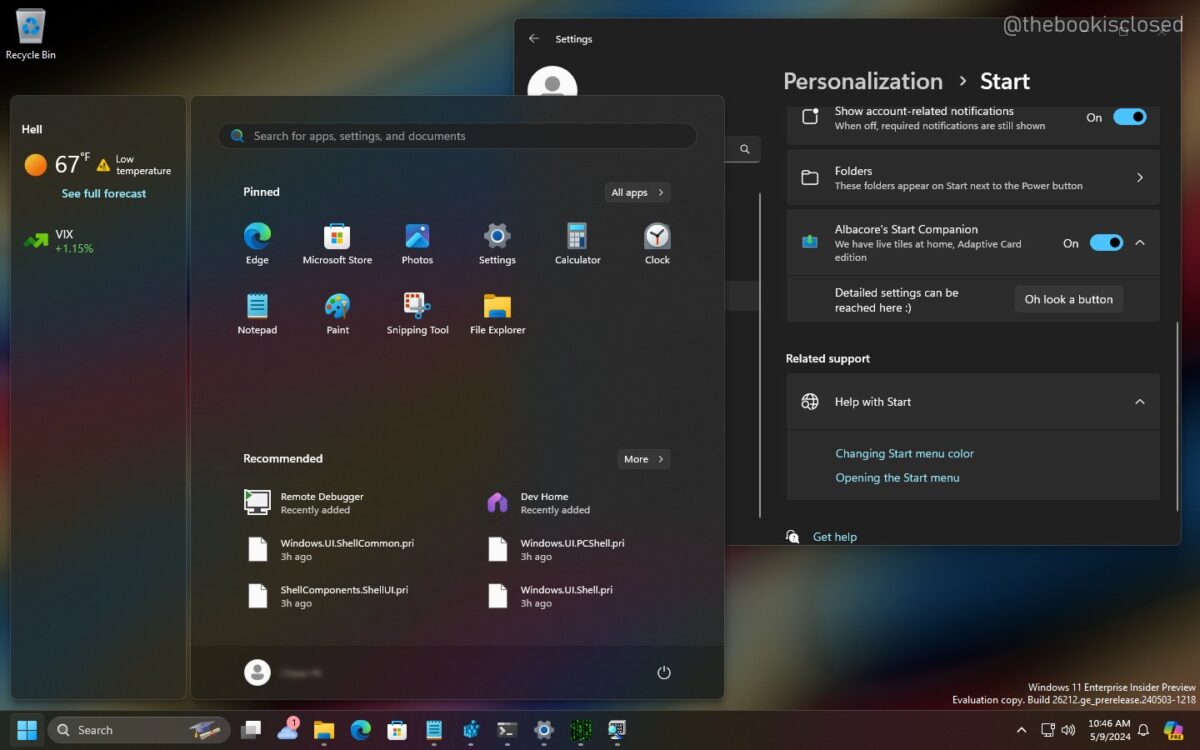
Windows 11's Start Menu could soon show information in a floating sidebar
Microsoft introduced support for what it calls Start Menu Companions in a recent Windows 11 beta bu...

Do this if you want to stop ads in Windows 11
What do Xbox Wireless Controllers, Microsoft Defender and Call of Duty: Black Ops 6, and Bing AI in...

Meta Announces Dedicated AI Chatbot App Amidst Growing AI Competition
Meta Platforms is set to launch a standalone AI chatbot application in the second quarter of 2025, ...
Comments on "UK Users Lose Access to Apple's End-to-End iCloud Encryption Following Government Order" :